The Quick Answer
Watch for curling or missing shingles, granules piling up in gutters, water stains on ceilings, a sagging roofline, or daylight in the attic. Any one of these signs your roof needs replacing means it's time to call a licensed roofer for an inspection before a small leak turns into costly damage inside your home.
Your roof doesn’t come with a check-engine light. It can’t beep at you or flash a warning on your dashboard. But it does talk to you, in its own quiet way. We call these little clues Roof Tattletales, the small signs your roof leaves behind when something’s wrong. Learn to spot them, and you’ll almost always catch trouble while it’s still cheap and small.
Why Ignoring Small Roof Problems Gets Expensive Fast
A small roof problem left alone almost never stays small. Water is patient, and it finds every tiny gap, working its way in until something inside your home finally gets ruined.
Think about a garden hose with a pinhole leak. At first it’s just a little drip on the driveway. Nobody worries about a little drip, right? But leave that hose running long enough and it’ll wash out your flower bed, soak the fence post, and rot the wood underneath. Your roof works the same way. A curled shingle or a tiny gap around a vent doesn’t look scary. But give it a Michigan winter or two, with freeze-thaw cycles pushing ice into every little crack, and that tiny gap turns into a soggy attic and a stained ceiling.
Here’s the part that really stings: a small repair costs a lot less than a full replacement, and a full replacement costs a lot less than tearing out soaked insulation, scrubbing mold, and repairing ceilings. The whole game is catching the Roof Tattletales early, before your roof has to shout instead of whisper. That’s why we’re walking through the five biggest signs today, so you know exactly what to look for.
The Five Warning Signs You Shouldn’t Ignore
Your roof has five main ways of telling you it needs help: curling or missing shingles, granules collecting in the gutters, water stains, a sagging roofline, and daylight sneaking into the attic. These are the classic signs you need a new roof, or at least a closer look from a professional.
Missing or Curling Shingles
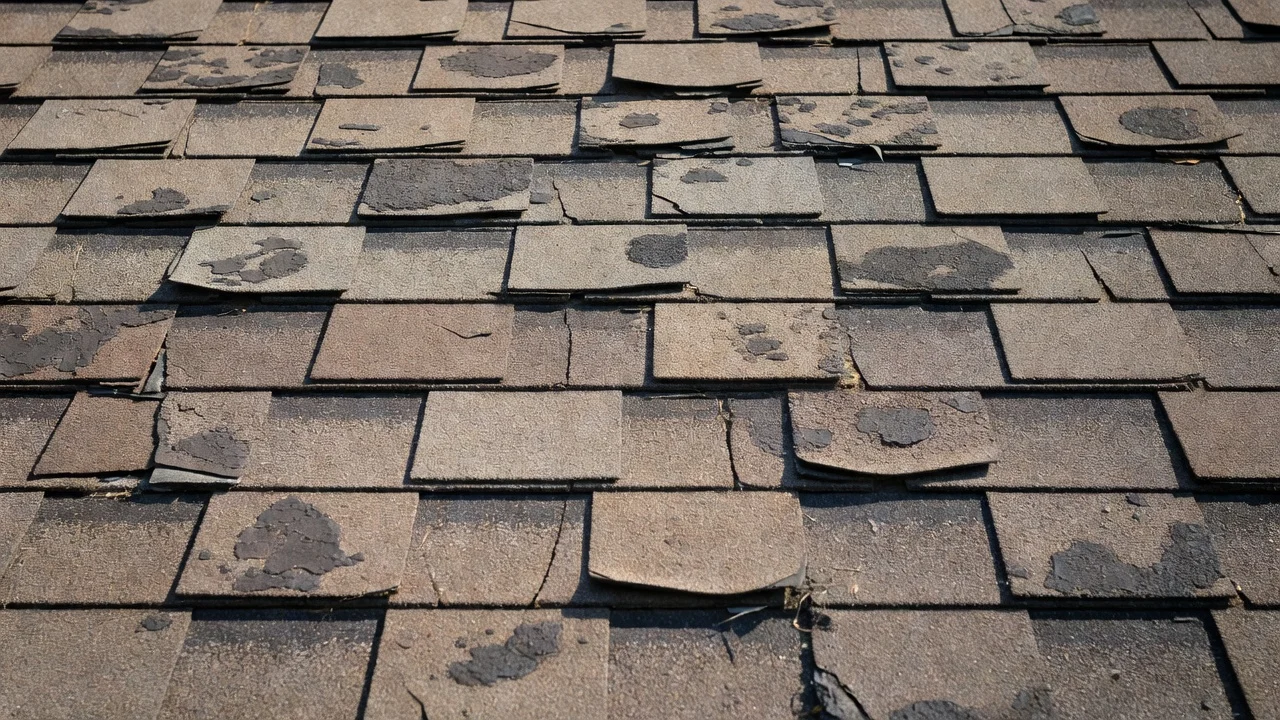
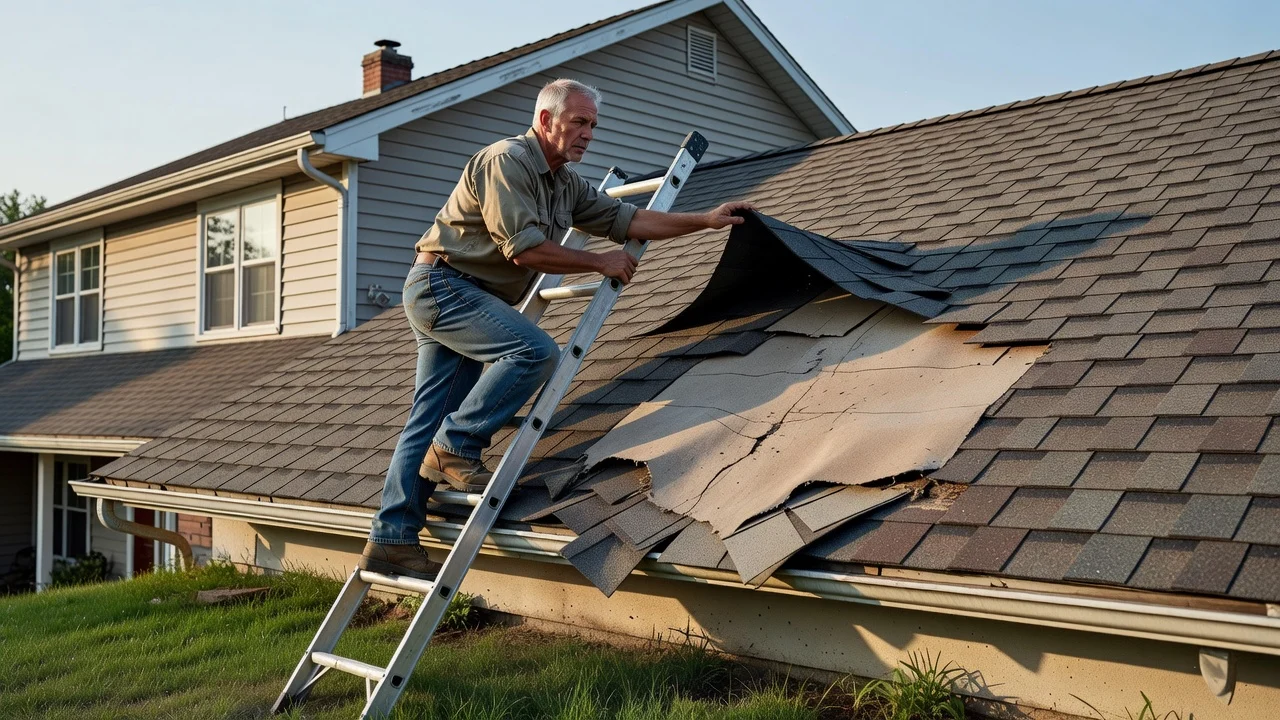
Bad roof shingles curl up at the edges like old potato chips left out too long. Once shingles start curling, or you notice patches where they’re just gone, they’ve stopped doing their one job: keeping water out. Curled shingles let wind get underneath them, and once wind gets a grip, more shingles start peeling off with every storm.
Granules Piling Up in Your Gutters
Those little sandy grains on your shingles aren’t just for looks. They protect the shingle from sun damage. When you start finding missing granules in your gutters, especially after a heavy rain, it means your shingles are wearing thin and losing their sunscreen. A few granules now and then is normal. Handfuls of them is a Roof Tattletale worth paying attention to.
Water Stains on Ceilings or Walls
A brownish, ring-shaped stain on your ceiling is one of the clearest roof leak warning signs there is. By the time you see it, water has usually been sneaking in for a while already. Don’t just paint over it and hope. Get up there and find out where the water’s actually coming from.
Sagging Rooflines
Stand back from your house and look at the roofline from the street. It should be straight as an arrow. If you see a dip or a sag anywhere, that’s not cosmetic, that’s structural. Wet, weakened decking underneath is often the culprit, and this is one sign that almost always means bigger work is needed, not just a patch.
Daylight Coming Through the Attic
Grab a flashlight, head up to the attic on a sunny day, and turn off the lights. If you see little pinpricks of daylight poking through the roof deck, that’s a gap water can absolutely get through, too. This is one of the easiest checks a homeowner can do, and it costs you nothing but ten minutes and a flashlight.
A roof never fails all at once, it drops hints for months before it finally gives up, so pay attention to the small stuff.
Storm Damage vs Normal Wear: How to Tell the Difference
Normal wear happens slowly, over years, from sun and weather. Storm damage shows up all at once, usually after high winds or hail, and it often hits one section of the roof harder than the rest.
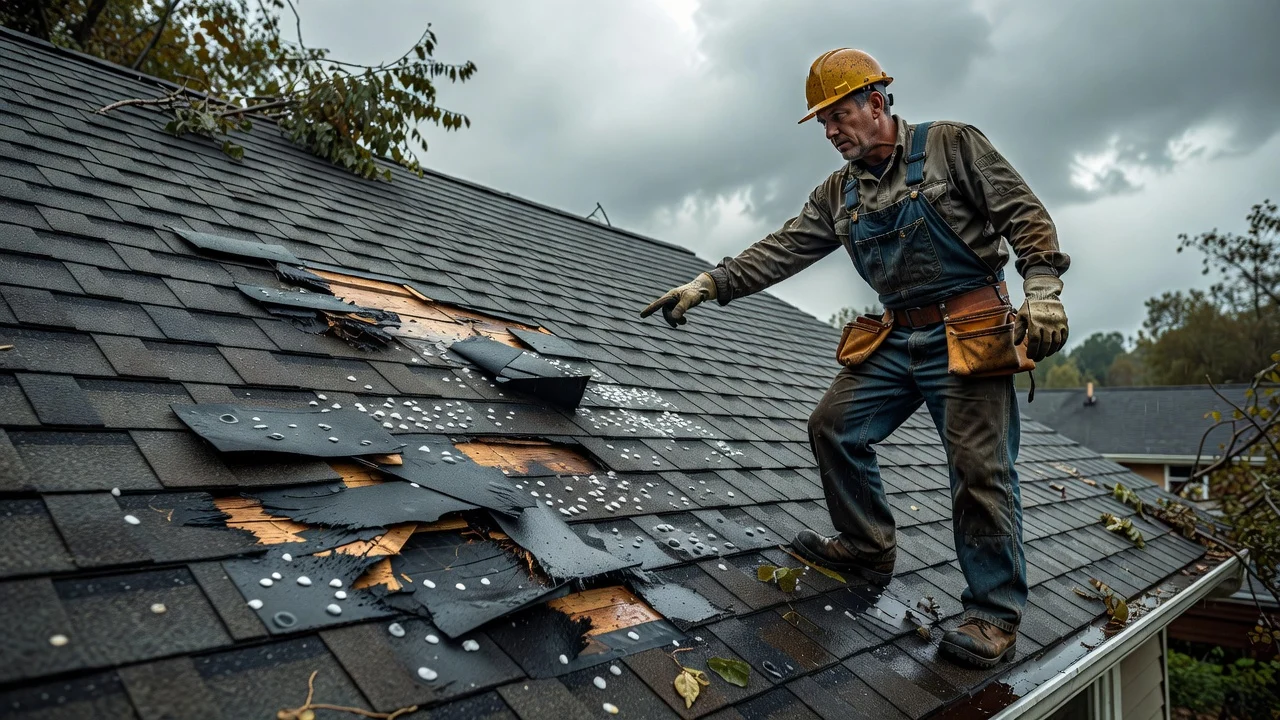
Roof damage after a storm in Michigan tends to look different from everyday aging. You might see whole shingles ripped clean off, dents from hail that look like someone took a hammer to the roof, or bruised spots where the granules got knocked loose in a pattern instead of scattered evenly. Southeast Michigan’s storm season, including spring and summer wind and hail events, is one of the most common reasons homeowners in Washtenaw County end up filing an insurance claim on their roof. If a storm just rolled through your neighborhood, that’s a good reason to check the roof even if nothing looks obviously wrong from the driveway.
Normal wear, on the other hand, spreads out evenly across the whole roof. Curling shingles near the ridge, granule loss that’s roughly the same on every slope, a little fading in color over the years. That’s just age doing its thing. It’s a good idea to have your roof looked at after any major storm, even if you don’t see damage yourself. Adjusters and roofers are trained to spot the difference, and catching storm damage early can matter for insurance timing. If you’re weighing your options and wondering how long the actual replacement work would take once damage is confirmed, our guide on how long a roof replacement really takes walks through what to expect.
Repair or Replace: How Professionals Make the Call
A professional decides between repair and replacement by looking at the roof’s age, how much of it is damaged, and whether the damage is spread out or limited to one area. A patch on a young roof usually makes sense. Widespread damage on an old roof usually doesn’t.

So how do you know if you need a roof repair or a full replacement? It usually comes down to math and honesty. If your roof is young and the damage is limited to one small section, a repair almost always makes sense. But if you’re patching the same spot every year, or your roof is already past the halfway point of its expected life, throwing more money at repairs starts to feel like putting new tires on a car that needs a new engine. That’s usually when to replace your roof instead of keep chasing leaks.
When you do bring in a professional, a few things separate the pros from the guys with a truck and a ladder. In Michigan, anyone doing residential roof work is required to hold a Residential Builder’s License or a Maintenance and Alteration Contractor license, not just a basic business license, and they’re required to carry liability insurance to stay in good standing. You can check any contractor’s status through the Michigan LARA contractor license lookup, and it’s smart to also glance at their Better Business Bureau profile before you sign anything. If the roofer works with a major shingle brand, the GAF certified contractor locator is another good way to confirm they’re legit. And don’t skip the paperwork step, either. The City of Saline Building Department requires a permit and inspection for roof replacement or major repair work, even on a single-family home, and you can look up permit requirements through the City of Saline building and permits portal. Homeowners outside Saline can check Washtenaw County building permit and inspection records for their own township rules. If you’re not sure who to trust with any of this, our guide on who you can really trust for roofing in Southeast Michigan breaks it down plainly.
Final Thoughts on Acting Before a Small Issue Becomes a Big One
Here’s the honest truth: your roof is always talking to you. It’s just quiet about it at first. A curled shingle here, a few granules in the gutter there. It’s like a dog scratching at the door before it finally chews through it. You’ve got time to answer that scratch, if you’re paying attention.
So do a quick walk around the house every few months. Peek in the attic with a flashlight after a big storm. Check the gutters when you clean them out. These little habits cost you nothing but a few minutes, and they’re the difference between a simple repair and a full-blown replacement. And if you’re not sure whether what you’re seeing counts as one of the signs your roof needs replacing, it never hurts to have a professional take a look. Homeowners across Ann Arbor, Saline, Milan, Dexter, Chelsea, and the rest of Southeast Michigan deal with the same freeze-thaw punishment every winter, so you’re definitely not alone in wondering. If you want to see the full list of communities we work in, check out our guide on roofing services across Saline and Southeast Michigan.
Roofs don’t fail out of nowhere. They send Roof Tattletales for months, sometimes years, before they finally give up. Listen early, act early, and you’ll spend a whole lot less time and money fixing the mess later.
Key Takeaways
- Five main warning signs point to roof trouble: curling or missing shingles, granules in the gutters, ceiling water stains, a sagging roofline, and daylight visible in the attic.
- Storm damage after wind or hail usually shows up suddenly and in a concentrated pattern, while normal wear spreads evenly across the whole roof over time.
- A repair often makes sense for young roofs with limited, isolated damage, while widespread damage on an older roof usually means replacement saves money in the long run.
- Michigan requires roofers to hold a Residential Builder's License or Maintenance and Alteration Contractor license, plus liability insurance, which homeowners can verify before hiring.
- Roof replacement or major repair work in Saline requires a building permit and inspection, even on single-family homes, so confirm this step before work begins.
Frequently Asked Questions
How long does a metal roof last compared to asphalt shingles?
A metal roof typically lasts 40 to 70 years, far outlasting asphalt shingles, which usually last 20 to 30 years. Metal handles wind, snow load, and freeze-thaw cycles well, making it a strong option in climates with harsh winters, though the upfront choice should factor in your home's structure and budget.
How often should I replace my roof?
Most asphalt shingle roofs need replacing every 20 to 25 years, though this depends on material, ventilation, and weather exposure. Homes in areas with heavy freeze-thaw cycles, like Southeast Michigan, may see wear sooner. Regular inspections help you catch damage early instead of guessing based on age alone.
How long do roofs last in Florida compared to Michigan?
Roofs in Florida often face intense sun and hurricane winds, which can shorten shingle life to around 15 to 20 years without extra wind-rated materials. Michigan roofs deal with freeze-thaw cycles and ice damming instead, so the wear pattern differs even if the general lifespan is similar.
How long do roofs last in Texas?
Roofs in Texas typically last 20 to 25 years for asphalt shingles, though intense heat and occasional hailstorms can shorten that. Homeowners there deal with sun damage more than the freeze-thaw and ice dam issues common in colder states like Michigan, so inspection priorities differ regionally.
When should I replace a tile roof instead of repairing it?
Tile roofs can last 50 years or more, but replacement usually becomes necessary when the underlayment beneath the tiles fails, even if the tiles themselves look fine. Cracked or slipping tiles in scattered spots can often be repaired, but widespread underlayment failure means a full replacement is the smarter call.
Do I need a roof repair or a full replacement if only one section is damaged?
If the damage is limited to one section and the rest of your roof is in good shape, a repair usually makes sense. But if that same section keeps failing, or your roof is already old, a full replacement often saves money over repeatedly patching the same weak spot.
What's the real difference between storm damage and normal roof wear and tear?
Storm damage shows up suddenly and often in a concentrated pattern, like hail dents or ripped shingles on one side of the roof. Normal wear happens gradually and evenly across the whole surface. If damage looks patchy and sudden, it likely followed a specific weather event.